
In today’s fast-paced world, managing energy efficiently is no longer optional—it’s a necessity. Our AIoT-driven Energy Management System (EMS) helps organizations monitor, analyze, and optimize their energy consumption in real time.
By providing end-to-end visibility and predictive intelligence, our EMS empowers businesses to:
- Cut energy costs through smart optimization.
- Enhance operational performance with predictive maintenance.
- Reduce carbon footprint by monitoring emissions.
- Stay compliant with evolving regulatory standards.
With rising energy prices and stricter environmental norms, companies need intelligent, future-ready solutions. Our EMS transforms raw data into AI-powered insights, enabling informed decisions and sustainable growth.


Key Highlights
- Seamless AIoT Integration: Connect IoT devices via Modbus, MQTT, OPC-UA, BACnet for reliable and scalable data exchange.
- Anytime, Anywhere Access: User-friendly web portals & mobile apps backed by secure cloud platforms.
- Role-Based Security: Assign access levels (Admin, Manager, Auditor) for complete control & accountability.
- Carbon Intelligence: Track emissions in real time and simplify sustainability & compliance reporting.
- Demand-Side Management: Reduce peak-period consumption, improve grid stability, and lower operational costs.
Smart Cities
- Traffic Management – AIoT sensors and cameras optimize traffic signals, reduce congestion, and improve road safety.
- Smart Waste Management – Bin-level sensors track fill levels, while AI optimizes collection routes to cut fuel costs and emissions.
- Smart Grids – Real-time demand-response systems balance energy supply, prevent overloads, and improve grid resilience.
- Public Safety – AI-powered surveillance with anomaly detection enhances emergency response and reduces crime.
- Environmental Monitoring – IoT air and noise sensors help monitor pollution levels and ensure healthier urban living.

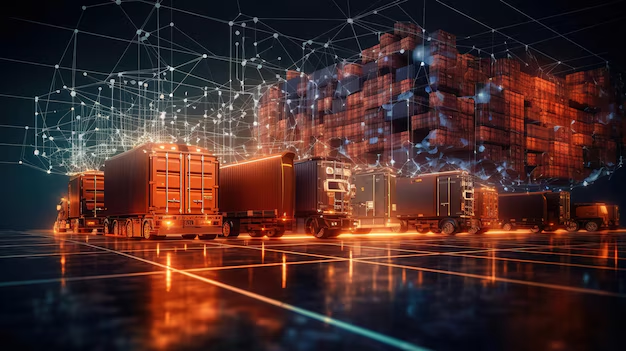
Supply Chain & Logistics
- Real-Time Tracking – GPS + RFID sensors ensure shipment visibility across the entire supply chain.
- Perishable Goods Monitoring – Smart sensors continuously track temperature & humidity, ensuring food and pharma safety.
- Fleet Predictive Maintenance – AIoT detects early signs of wear, minimizing downtime and extending vehicle life.
- Warehouse Automation – Connected robots and AI algorithms streamline picking, packing, and inventory tracking.
- Last-Mile Delivery Optimization – AI routes delivery fleets efficiently, cutting costs and improving customer satisfaction.
Energy Conservation
- Smart Thermostats – AI learns user patterns to balance comfort with maximum energy savings.
- Energy Monitoring Devices – Real-time tracking identifies energy-hungry appliances, reducing wastage.
- Smart Lighting Systems – AI-based occupancy and daylight sensors reduce electricity bills and improve efficiency.
- HVAC Optimization – AIoT sensors control air flow and temperature to lower costs in large facilities.
- Predictive Energy Analytics – AI forecasts energy demand, enabling proactive load balancing and cost control.
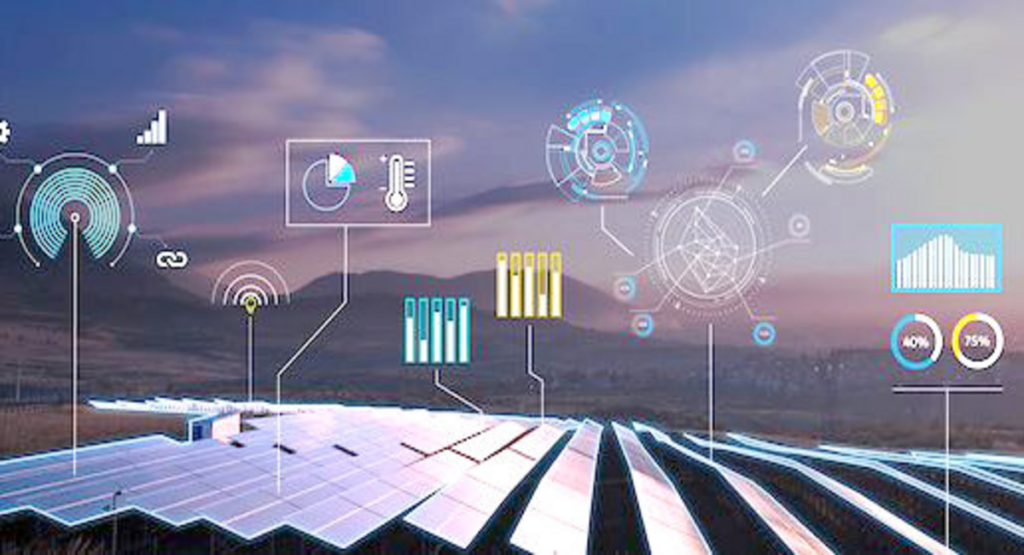

Why Energy Management Matters ?
- Operational Efficiency & Productivity
- Optimize energy-intensive processes by identifying inefficiencies and automating controls.
- Reduce downtime with predictive energy maintenance powered by IoT sensors and AI analytics.
- Improve equipment lifespan by avoiding overloads and running assets at their optimal performance levels.
- Regulatory Compliance & Certifications
- Auto-generate compliance reports with accurate, real-time data logging.
- Stay penalty-free with proactive monitoring that ensures adherence to government and industry standards.
- Build customer trust by showcasing sustainability compliance in reports and audits.
- Risk Reduction & Energy Security
- Prevent costly outages and power shortages through real-time monitoring and smart alerts.
- Ensure backup systems (generators, UPS, batteries) are always optimized and ready.
- Reduce fire, equipment damage, and safety risks through continuous monitoring of power quality.
- Data-Driven Decision Making
- Unlock insights into consumption peaks, anomalies, and usage patterns with advanced analytics.
- Forecast future demand using AI-driven trend predictions to optimize budgets.
- Support smarter procurement by analysing past energy data and supplier performance.